
Blood balance is a quiet but powerful driver of how you feel day to day. When glucose levels fluctuate, it doesn’t just affect “blood sugar numbers”—it can ripple into your energy, hunger signals, hydration, and even your ability to stay focused, especially during common triggers like meals, travel days, late afternoons, or stressful moments. That’s why metabolic wellness isn’t only about what you eat, but also about how your body manages blood glucose stability in real life.
True Relief Blood Balance is designed to support steadier glucose patterns so your routine feels more consistent—from morning to evening. In the sections ahead, you’ll learn how to fit the formula into an everyday schedule, what to consider around meal timing and hydration, and how ingredient targets can work together to help you maintain smoother daytime performance.
Great Points
- Understand blood balance as hydration, iron status, and healthy blood viscosity for overall metabolic wellness.
- Aim for steadier blood sugar by pairing consistent meals, fiber intake, and regular sleep with Blood Balance support.
- Take True Relief Blood Balance with meals for better adherence, ideally with the first meal or a planned snack.
- Use training and travel timing strategically—pre-workout 30–60 minutes and post-workout within 0–2 hours, with hydration and electrolytes.
- Reassess symptoms after 2–3 weeks and consult a clinician before supplementing during pregnancy, anemia, or with anticoagulant use.
True Relief Blood Balance: What “Blood Balance” Means

“Blood balance” in the context of blood health usually doesn’t mean your body literally needs a specific “ratio” from supplements. Clinically, it refers to maintaining appropriate blood properties—like hemoglobin, oxygen-carrying capacity, hydration status, and normal coagulation behavior—so tissues get steady oxygen and circulation works efficiently. When you see “blood balance benefits” claims, evaluate whether they map to measurable outcomes: improved hydration, reduced iron-deficiency indicators, or more stable markers tied to blood viscosity and clotting risk. For everyday use, focus on fundamentals first: adequate fluids, iron and B12 intake when you’re deficient, and a diet that supports metabolic harmony through consistent micronutrients. If you’re pregnant, have anemia, or take anticoagulants, don’t self-supplement—ask a clinician about labs and safety.
Why Metabolic Wellness Depends on Steady Blood Sugar
Steady blood sugar is a big part of metabolic wellness because glucose levels influence how efficiently your cells use energy and how strongly they drive inflammation and fat storage. When your blood sugar swings high and low, insulin demand rises, and over time this can impair insulin sensitivity—core to metabolic health. In practice, you’ll see that consistent carbohydrate intake, adequate protein, and fiber-rich meals reduce post-meal glucose spikes and blunt compensatory overeating signals. You also benefit from meal timing and sleep consistency, since circadian disruption worsens glucose control. If you’re at risk for prediabetes, focusing on steady blood sugar is clinically meaningful: it lowers glycemic stress on blood vessels and supports healthier metabolic pathways, not just short-term energy.
How True Relief Blood Balance Supports Everyday Energy
When your blood balance stays steadier overnight, you tend to wake up with more consistent energy and fewer “crash” feelings later in the morning. By supporting metabolic health and helping smooth blood sugar dynamics, True Relief Blood Balance may reduce day-to-day variability that can drive fatigue. This practical approach can fit into your daily routine when you’re working to maintain steady energy through balanced metabolism.
Supports Steady Morning Energy
If your mornings feel inconsistent, True Relief Blood Balance can help by supporting key factors that influence how even your energy feels after you wake up. When blood glucose swings, you may notice delayed morning motivation, jitteriness, or an early energy dip. By promoting steadier blood balance, you’re more likely to experience energy stability that supports routine tasks without abrupt fatigue. Clinically, stable glucose regulation is linked to improved daytime functioning, and practical consistency matters—especially when you start the day hungry, stressed, or under-slept.
- Supports steadier overnight glucose availability
- Helps reduce perceived morning “crash” timing
- Aligns with diet-focused metabolic consistency habits
- May support calmer alertness during early hours
- Pairs well with hydration and light breakfast routines
Helps Balance Metabolic Support
Even small improvements in metabolic regulation can make a noticeable difference in how you feel from morning through the day. With True Relief Blood Balance, you can support metabolic optimization by targeting pathways involved in glucose handling. Stable blood sugar regulation helps reduce reactive swings that may drive mid-morning fatigue, irritability, or cravings. Clinically, maintaining physiologic glucose ranges supports consistent energy metabolism in muscle and brain, and may lessen the need for frequent “quick-fix” snacks. In practice, you’d use the formula as part of your routine alongside dietary fiber, adequate sleep, and regular activity—especially if you notice symptoms after meals. If you have diabetes or take glucose-lowering medication, talk with your clinician first.
Fit True Relief Blood Balance Into Meal Timing Routines
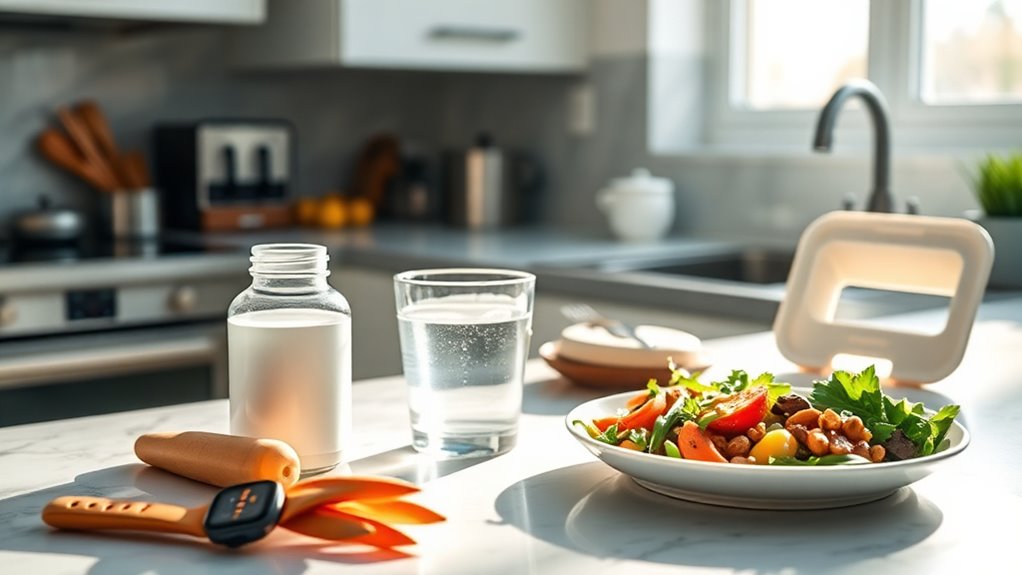
To make True Relief Blood Balance easier to follow, you can build it into your existing meal timing routine rather than treating it as a separate task. Aim for consistent meal frequency, since regular intervals help stabilize post-meal glucose and reduce swings that can worsen cravings and fatigue. You’ll get the best adherence when you schedule True Relief Blood Balance alongside your meals, not after the fact.
Build True Relief Blood Balance into your meal timing routine for consistent intervals—schedule it with meals, not after the fact.
- Take it with your first meal when possible, especially if you’re skipping breakfast.
- Align servings to your usual snack timing, using snacks only if they prevent long gaps.
- Keep meal timing consistent across weekdays to support routine-based regulation.
- If you train, plan around predictable carbs to avoid reactive lows.
- Reassess after 2–3 weeks using symptoms, energy, and appetite patterns as feedback.
You can stay clinical and practical: consistency beats intensity.
Pair True Relief Blood Balance With Hydration and Electrolytes
Hydration and electrolytes can meaningfully support how well True Relief Blood Balance fits into your day. When you’re slightly underhydrated, blood volume and plasma osmolarity can shift, which may affect how consistently you feel and function. To support metabolic wellness, drink water regularly and pair it with electrolyte sources—especially during heat, exercise, or heavy sweating. Aim for pale-yellow urine as a practical hydration check, and consider an oral electrolyte formula when dietary intake is low. Electrolytes help maintain fluid balance and nerve/muscle performance, aligning with the hydration benefits you’re targeting. If you use True Relief Blood Balance, keep timing consistent with your routine, but don’t rely on the formula to replace fluids. Adjust intake based on activity, age, and medical guidance.
Choose the Best Time to Take True Relief Blood Balance
Timing matters when you’re trying to support consistent blood balance with True Relief Blood Balance. To maximize ideal absorption, build simple timing strategies around meals and sleep. Evidence-informed practice suggests staying consistent daily, using a fixed window and spacing from interfering nutrients or meds.
- Take with water on an empty stomach or 1–2 hours after meals, if tolerated
- Avoid taking right alongside iron blockers (e.g., high-calcium supplements)
- Consider morning dosing to align with typical daytime eating patterns
- If you get nausea, take with a light snack and keep timing consistent
- Keep it separate from thyroid meds by several hours unless your clinician advises otherwise
Choose a schedule you can maintain, then reassess how you feel and follow label directions.
Support True Relief Blood Balance During Stress and Travel
When you’re under travel stress and your routine shifts, your energy demands and metabolic regulation can change, so supporting your blood balance matters. For on-the-go days, take True Relief Blood Balance consistently and pair it with hydration, regular meals, and electrolyte-aware fluids to help maintain daily balance. If you have diabetes, kidney disease, or take blood-pressure or anticoagulant meds, check with your clinician before starting or changing your regimen.
Travel Stress Metabolic Support
Stress and travel can disrupt your normal metabolic and vascular balance—so you may feel off even when you’re eating “enough.” To support True Relief Blood Balance during these triggers, focus on steady blood-sugar control, mindful electrolyte and fluid intake, and lifestyle factors that reduce sympathetic drive (like consistent meals, regular movement, and adequate sleep). In travel wellness, erratic meals and dehydration can worsen insulin resistance and raise cortisol; you’ll benefit from planned carbohydrate timing and hydration.
- Sip water and replace electrolytes if sweating or flying
- Keep meal timing consistent, even across time zones
- Choose fiber/protein-forward snacks to blunt glycemic spikes
- Take short walks to lower stress arousal during stress management
- Prioritize sleep and reduce late caffeine to limit counter-regulation
Daily Balance For On-The-Go
On-the-go days can quietly destabilize glucose control, hydration status, and vascular tone—especially when travel throws off your routine and your stress response stays elevated. Your best defense is consistency: anchor a daily routine with scheduled meals, fluid intake, and light movement. In practice, aim for protein plus fiber at breakfast and lunch to blunt postprandial spikes, and include electrolytes if you sweat, fly, or use diuretics. Use on the go nutrition that’s portable and measurable: a yogurt or kefir cup, nuts, a lean protein wrap, or a salad with olive oil. If you carry snacks, choose low–glycemic options (berries, hummus, cheese, or whole-food bars). Monitor symptoms—thirst, headaches, shakiness—and adjust portions, timing, and fluids.
Balance True Relief Blood Balance With Sleep and Recovery
- Keep a consistent sleep schedule, even on weekdays
- Aim for 7–9 hours and limit alcohol late in the evening
- Use morning light exposure to anchor circadian rhythm
- Practice short breathing or mindfulness to lower sympathetic tone
- Schedule rest days with light activity only, if you’re sore
Track energy and next-day resting heart rate to confirm you’re recovering well.
Adjust True Relief Blood Balance for Workout and Rest Days
On workout days, you’ll typically benefit from timing your True Relief Blood Balance dose around training—often within a practical window before or after sessions—to support performance without overcorrecting. On rest days, you’ll keep a maintenance balance using a lower, consistent approach rather than escalating, since physiological demand is lower. If you notice persistent dizziness, cramps, or unusual fatigue, you’ll adjust the dose amount or timing and reassess your hydration and intake.
Workout Day Dosage Timing
When you lift on Workout Days, timing True Relief Blood Balance to match your training can help you stay consistent—take your dosage with a meal or immediately after you finish, then keep water intake steady to support circulation. For pre workout timing, consider taking it 30–60 minutes before exercise if you tolerate meals well; otherwise, use a light snack to reduce GI upset. For post workout recovery, take it right after training (within ~0–2 hours) to align with your nutrition window and planned fluid replacement. Clinical practice emphasizes consistency and adequate hydration, which support normal blood volume and metabolic transport.
- Choose meal-based dosing when nausea risk is higher
- Use pre workout timing on lighter-eating days
- Prioritize post workout recovery immediately after sessions
- Hydrate before, during, and after training
- Track tolerance and adjust timing by 15–30 minutes
Rest Day Balance Maintenance
On rest days, you still want True Relief Blood Balance to support normal blood volume and circulation, just without the same workout-driven timing. To maintain balance, you can keep your daily routine consistent: take your usual dose with meals to reduce variability and support stable absorption. Focus on rest day recovery by aligning intake with hydration—aim for regular fluid intake and monitor urine color. If you’re using any anticoagulants or have kidney or clotting disorders, confirm with your clinician before continuing. During a metabolic reset, prioritize sleep and low-stress movement, like walking, so your circulation demands stay moderate. If you notice unusual bruising, dizziness, or swelling, pause and seek medical advice.
What Ingredients in True Relief Blood Balance Aim to Support

True Relief Blood Balance is formulated to help support key biological processes involved in healthy blood performance and circulation. When you choose it, you’re looking for Ingredient Benefits that align with known metabolic and vascular support pathways, using Natural Components chosen for practical, daily use.
True Relief Blood Balance supports healthy blood performance and circulation through natural ingredients aligned with key metabolic and vascular processes.
- Supports nitric-oxide–related vasodilation for healthy circulation
- Helps maintain antioxidant defenses to limit oxidative stress
- Provides cofactors that support red blood cell maintenance and function
- Helps support healthy homocysteine metabolism pathways
- Includes nutrients/plant extracts aimed at microcirculation comfort
In clinical wellness terms, these targets focus on endothelial function, redox balance, and nutrient-dependent biochemical steps. If you keep your routine consistent, you’re more likely to support steady blood balance without relying on extreme interventions.
Signs Your Routine Needs Tweaking for Better Blood Balance
If your body isn’t seeing enough support for blood circulation, redox balance, or red blood cell maintenance, your routine may need an update—even if you’re already taking something aimed at “blood balance.” Watch for signals like frequent cold hands or feet, exercise intolerance, easy bruising, persistent fatigue, or headaches that track with stress or poor sleep, since these can correlate with suboptimal endothelial function, oxidative stress, or nutrient-dependent pathways involved in homocysteine metabolism and microcirculation comfort.
You should consider targeted lifestyle adjustments: review hydration habits, stabilize blood sugar with thoughtful diet changes, and check sleep quality. If symptoms worsen with prolonged sitting, increase physical activity gradually and align daily routines with consistent meal timing. Use stress management to blunt sympathetic surges that can impair vascular tone, and watch nutritional balance, including key B vitamins, iron status, and overall redox support. Identify metabolic triggers—skipped meals, dehydration, or heavy alcohol—then adjust.
Common True Relief Blood Balance Mistakes to Avoid
When you’re aiming for true blood balance, common “fixes” can backfire, so it helps to audit your routine before you add more supplements. Evidence from clinical nutrition shows outcomes depend on adherence, dosing accuracy, and upstream lifestyle factors—not just product choice. Before you change your plan, watch for these common pitfalls and correct them early.
Audit adherence, dosing, timing, and lifestyle first—evidence shows balance outcomes depend on routines, not just supplement choices.
- Dosage miscalculations: verify label serving sizes and total daily intake.
- Timing errors: align with meals when needed; avoid stacking with interacting meds.
- Dietary oversights: don’t miss fiber, iron, or magnesium basics that influence metabolic markers.
- Ingredient misunderstandings: confirm forms (e.g., magnesium type) and avoid duplicate actives.
- Consistency issues + stress management: adjust lifestyle adjustments gradually; track trends over weeks, not days.
Common Questions
Can I Take True Relief Blood Balance With My Prescription Medications?
You can’t safely assume it’s compatible—check with your clinician or pharmacist first. True Relief Blood Balance may have ingredients that could create interaction concerns with certain prescriptions (e.g., blood pressure, diabetes, blood thinners, thyroid meds) depending on your dose and kidney/liver status. For medication compatibility, ask for a full ingredient list review, and watch for side effects like dizziness, low blood sugar, or unusual bleeding. Don’t stop prescriptions without medical guidance.
How Long Until I Notice Changes in Energy or Cravings?
Most people notice improvements in energy within 1–3 weeks, with craving management often improving around the same time. However, energy fluctuations can persist during the first 7–14 days as your body adapts and blood-glucose regulation stabilizes. Think of it like fine-tuning a thermostat: your target is steadier, not instant. Track sleep, meals, and symptoms daily, and reassess at 4–6 weeks for clearer patterns.
Is True Relief Blood Balance Safe for People With Diabetes or Prediabetes?
Yes—True Relief Blood Balance is generally considered safe for people with diabetes or prediabetes, but you should talk to your clinician first. Any supplement that targets blood sugar could affect medication needs. Check labels for glucose- or insulin-active ingredients, start low, and monitor blood sugar closely after first use. If you’re on insulin or sulfonylureas, watch for hypoglycemia symptoms. This approach supports metabolic health alongside diet and lifestyle.
What’s the Recommended Daily Dosage and Serving Size?
You open the bottle and measure a small, steady step. For most adults, follow the label’s recommended intake: typically 2 capsules daily, taken with a meal. Use the provided serving size (often 2 caps per serving) and dosage guidelines listed on your specific product, since formulas can vary. If you’re pregnant, nursing, or on glucose-lowering meds, talk to your clinician first to avoid unwanted blood-sugar shifts.
Should I Cycle on and off True Relief Blood Balance?
You generally don’t need to cycle on and off True Relief Blood Balance unless your clinician advises it. For evidence-based metabolic support, use a consistent daily serving with meal timing, monitor blood sugar trends (fasting and post-meal), and reassess every 8–12 weeks. If you’re on diabetes or antihypertensive meds, talk to your provider first—cycling could increase hypoglycemia risk. If you stop, taper your monitoring rather than abruptly change habits.
Overall
True Relief Blood Balance can fit seamlessly into everyday metabolic wellness when you treat it like a consistent, practical routine—not a “sometimes” fix. Aim to take it regularly with your meals to support steadier energy and help your body maintain healthy blood balance, especially during high-stress weeks, long travel days, or when your schedule is less predictable. Take note of how you feel and pair your routine with adequate water and electrolytes to reinforce hydration support.
Start today by choosing a simple timing plan you can stick to: keep it consistent, then adjust around your workout vs. rest days as needed to match your body’s response. Like a Roman medic checking pulse, monitor your energy, endurance, and overall balance, then fine-tune your routine accordingly.